Roasted, naturally low in caffeine
Unlike our matcha, hojicha isn't decaffeinated. It doesn't need to be. Slow-roasting Japanese tea leaves at high heat naturally breaks down most of the caffeine, so hojicha is naturally low in caffeine straight from the roast. Just roasted tea leaves, no chemicals and no decaf process.
-
1
Bancha leaves, KyotoLate-harvest Japanese tea leaves, picked for their depth and natural sweetness.
-
2
Slow-roastedCharcoal-roasted to draw out the nutty, caramel flavor unique to hojicha.
-
3
Naturally low caffeineThe high-heat roast naturally reduces the caffeine. No decaf process, just roasted tea leaves.
Hojicha is naturally low in caffeine, roughly 7-15 mg per cup versus 95-200 mg in a cup of coffee. It's regular roasted hojicha, not decaffeinated.
Hojicha vs the rest
Frequently Asked Questions
100% hojicha. Nothing else.
No fillers. No chemical processing. Just clean roasted hojicha, and the compounds that make it worth drinking in the first place.
Calm energy
Naturally low caffeine and amino acids in tea leaves keep you grounded, not wired.
Pyrazines & Polyphenols
Slow roasting creates aromatic pyrazines while preserving the natural polyphenols of green tea.
Pure Kyoto Hojicha
Late-harvest bancha leaves from Kyoto, Japan, slow-roasted over charcoal.

“I love hojicha at night. I hate caffeine. So I built Caff Off.”
This hojicha was rather good. I have had some higher quality ones with more notes of say caramel and other subtle flavors, but this hojicha does well and tastes fresh! Its aroma is like cocoa and roasted nuts. It’s finely ground-not very detectable on the tongue while drinking. I enjoyed drinking this hojicha cold and it pairs well with oatmilk. I enjoy this any time of day, but a warm cup at night feels a bit more special, like I’m winding down for the day. Hojicha is naturally lower in caffeine, so unless you’re brand loyal, you can get hojicha from other companies. This isn’t crazily overpriced for the size, but there are some good brands like Midori Spring that have triple the amount of powder for a few more dollars. This hojicha is good though, so if you’re a fan of hojicha, you won’t be disappointed!

I only use one teaspoon for 6 oz of warm water, and it turns out to be stronger than I expected. The instructions said to use half teaspoon per 2 oz. It’s probably because I did not level the portion, so I ended up using twice the amount. Besides, I did not use a measuring teaspoon, but a regular metal teaspoon (for the purist, a measuring tea spoon holds 4.93 mL, a regular teaspoon can range from 3-7 mL). Anyhow, just add a little bit at a time, you can always add more.The toasted aroma of the powder carries over to the brew tea, it’s one of the few teas that tastes the same as the aroma it carries. And it’s slightly bitter at high concentration.The powder clumps up slightly, but it dissolves with some mixing. Stir the tea before drinking it, to mix in the ground that settled at the bottom. I don’t use sugar, but if you drink it cold, a little bit smooths it out.If you like roasted barley tea, this is not far behind.

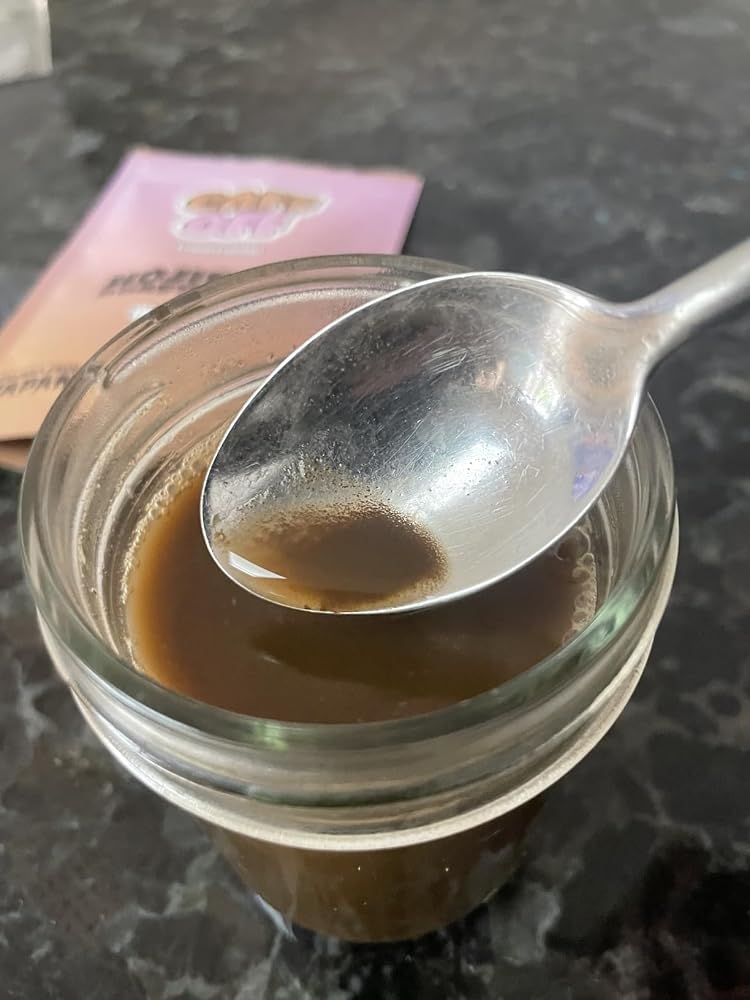
I have recently seen an uptick in Matcha and Japanese green tea and wanted to see what all the hubbub is about, so I ordered this pack to try it out. I am not sure what everyone else sees in this stuff, but I don't think it's for me.The package is relatively small and flat. It says 15 servings, and I guess that will work because you put one half to a full teaspoon per 2 oz of water according to the instructions on the package. It doesn't feel like a lot at first, but a teaspoon isn't a lot so it should last a good bit, especially if you don't use a lot of the powder. Simply mix in the amount with hot water and serve. The powder didn't dissolve super easily for me and had a few chunks even after stirring.I'm not a fan of the flavor. I don't know how to describe it other than "earthy". That's the polite way to say it... but I was not a fan, personally. I suppose if you are used to these types of drinks, you know what to expect, but I imagine this is an acquired taste similar to coffee or alcohol.

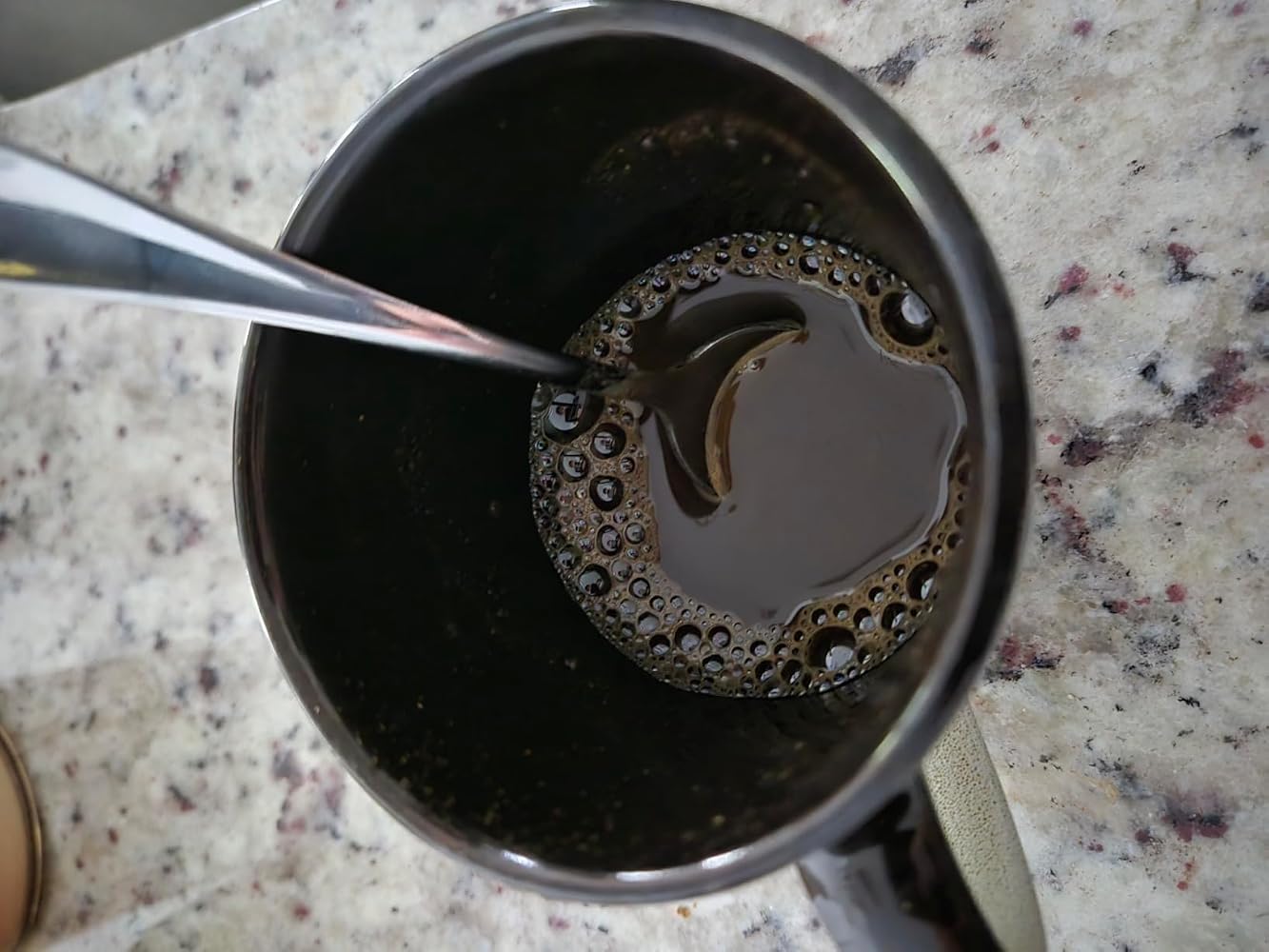
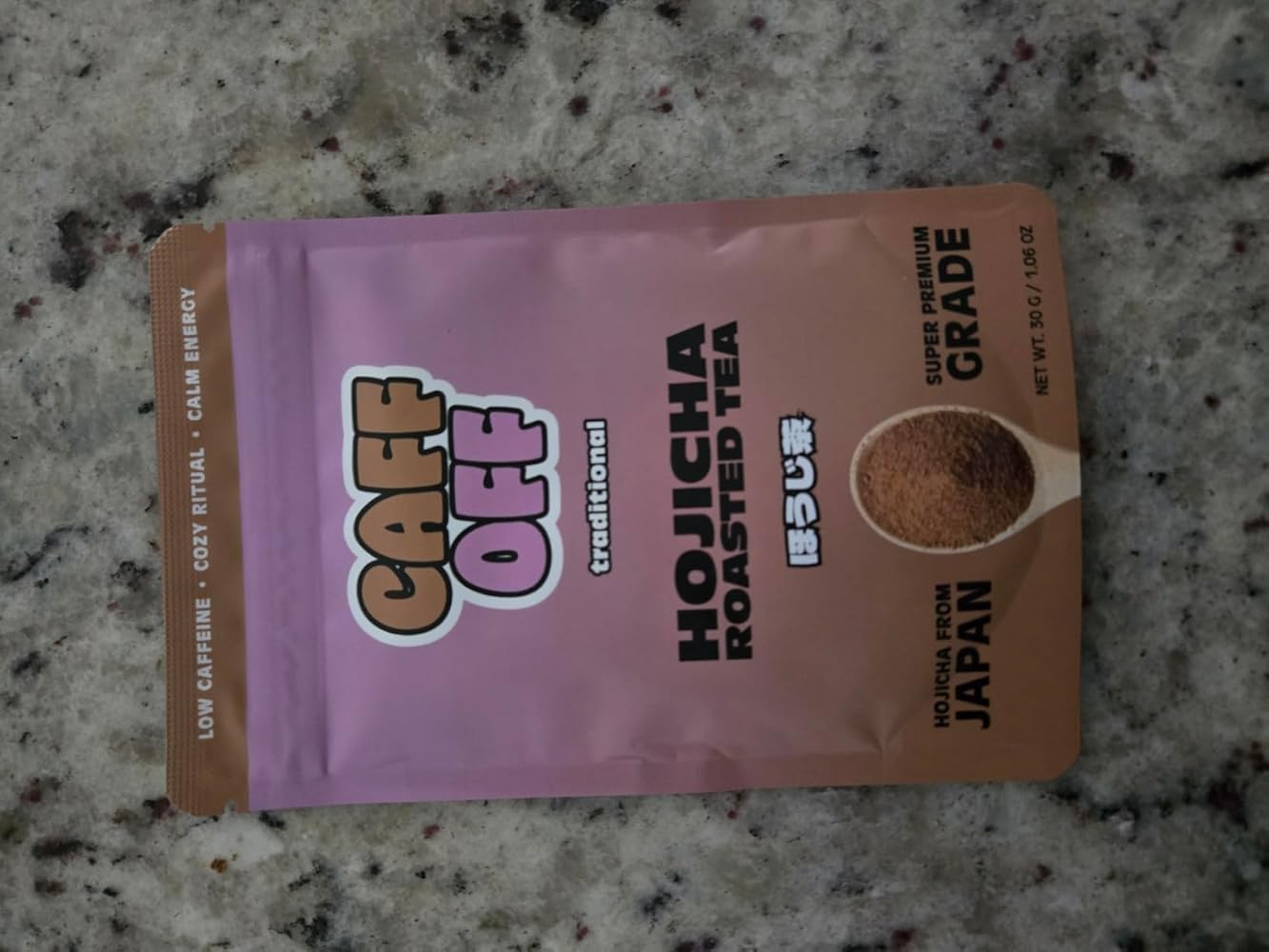
Delicious toasty taste! Good alternative when I wanna switch things up from my Matcha
This is a great option for non-caffeinated hoji-cha. I am sensitive to caffeine but love matcha and hoji-cha.
This drink is lightly flavored and pretty tasty. It is totally unsweetened which is great for those who prefer it, though the company’s sweetened version is not overpowering. It’s easy to make and the package is easy to store in a small amount of space and would be great to take on the go or keep at work.I got at the same time three of their drink products and found the quality to be consistently good. Each came with a scratcher for further purchase “bonuses,” which I expected to be identical and indeed they were. So it’s just a marketing thing. If you like the drinks, go ahead and scratch and scan the QR codes but don’t, I think, expect any scratcher to be any different than the last one.The product photos are a bit misleading. As is makes only 2 oz per serving you’d need to use *a lot* of the bag to make a glass as large as the photos show. My picture shows an actual 2 servings.My bag is slightly different from the one shown here. The front of the one pictured says 15 servings, and the picture of the nutrition information says 30 servings. Again, that’s 30 of 1/2 tsp to 2 oz water.Pros: 1. Mixes easily 2. Does have 30 servings per bag as advertised 3. Good flavor 4. Great moisture proof bag with a zip closure 5. Low caffeine and dairy freeCons: 1. High price 2. Very little per bag. The 30 servings are a tiny amount, less than the average person would normally drink. 2 oz = only 1/4 cup
I picked up this hojicha latte powder to shake up my usual morning drink routine, and the flavor profile is absolutely fantastic. It has a remarkably smooth, deeply toasted, and nutty taste that captures that authentic Japanese roasted green tea experience beautifully. Visually, the powder has a rich, earthy brown color and dissolves incredibly well into warm milk, creating a velvety barista-grade beverage that looks and tastes like it came straight from a high-end coffee shop. Because it is naturally low in caffeine, it provides a wonderfully comforting, mellow option for late afternoon or evening cravings without any unwanted jitters.The build quality of the blend itself is top-tier, featuring a very fine, premium grind that prevents clumping and mixes evenly without leaving grainy sediment at the bottom of the mug. It is exceptionally easy to use since you can quickly whip it up hot or pour it over ice for a refreshing summer drink, fitting seamlessly into a busy daily routine. The physical scale of the pouch is compact and holds exactly fifteen servings, making it a great size to keep tucked away in a kitchen cabinet without taking up too much space. Considering the high-quality ingredients, lack of added sugars, and dairy-free composition, it offers great value for money for anyone looking to enjoy authentic cafe-style lattes at home.
This is surprisingly a big dud since I've tried their sweetened hojicha latte and fell in love with its smooth and creamy taste. It's very noticeably bitter and earthy, and I found that I needed a ton of sugar or cream to help neutralize the taste. Plus, it oddly is more stubborn to mix up. I needed to use my immersion blender so i could get all the clumps cleared out. Also to add, like the sweetened hojicha latte mix, I needed double to triple the amount to taste. Can't really recommend this in all honesty.
I frequently use Caff Off traditional culinary matcha powder and I love adding it to yogurt, smoothies, protein shakes, Ninja Creami protein drinks, and lattes. They are one of the few companies that make a decaffeinated matcha powder and, in comparison to the competition, they are a better value. I was interested in trying this Caff Off Hojicha as it was new and I have never had Hojicha as a powder — just as a tea. I thought it would be fun to play with. Plus, when you steep tea leaves, you throw away about 60% of the nutrients because they aren't water-soluble. Drinking a tea powder means you consume 100% of the antioxidants and fiber. The other benefit of Hojicha is it is naturally low in caffeine due to being made with older leaves and the roasting process. It is heated to around 400F, so most of the caffeine boils off naturally — no chemicals or water processing needed. This sets it apart from most other physically decaffeinated products.I brewed this at 175F with 1 tsp of tea to a 1/2 cup of filtered water and whisked it to blend. Being powder I drank it right away vs letting it sit and seep into the water. I LOVED the flavor. This has a nice deep nutty and toasty flavor to it, with no hints of bitterness. There was a little bit of a powder texture at the end, but overall it blended pretty well. Next I made a latte with 1 tsp of tea to a 1/2 cup of milk as the instructions suggested. Also, yum. It was also really good mixed into yogurt. My final "test" was to make a Ninja Creami protein drink. I mixed this in with vanilla protein powder. I really enjoyed it that way as well. The flavor stood being frozen, and added a nice tea flavor to my "ice cream."Overall, I would recommend this product. I really enjoyed the flavor and versatility. In addition to what I made with it, it would also make an interesting back-note in a cocktail or over a dish, such as chicken. The possibilities open up since this is a powder to be added vs something steeped into a tincture. My only real complaint is its value. Caff Off Decaf Matcha is competitively priced. The Hojicha, not so much. You can get unsweetened Hojicha powder from Japan for considerably less. Honestly, if it was not for the price, this would be a Subscribe and Save item for me. If there was a good sale on this, I would not hesitate on purchasing a second bag.
This review is for the Hojicha Latte Powder – 15 Servings, Premium Roasted Japanese Green Tea. At the time of my review, this pack is priced at $24.99, which is a decent price if you enjoy the taste. Unfortunately, I'm not a big fan. Other than chai and matcha, I'm not a tea drinker. I ordered this hoping it would be taste similar to matcha (because I am a fan of this brand's matcha). It does not. It isn't horrible, but it's not my cup of tea (pun intended lol). To me, it tastes like earl grey, which is my least favorite tea. However, I still recommend that others give this tea a try because the Caf Off brand is legit, and I will happily try any of their products. I stand by their matcha products. Just know that this particular tea does not taste like matcha (nor was it advertised to).